The Changing Landscape of Gaming Ownership
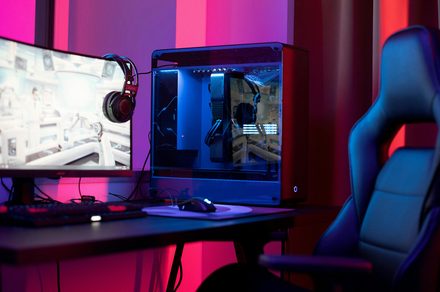
For a long time, the relationship between gamers and their technology was straightforward: save up, purchase a console or PC, install your favorite games, and enjoy them as long as the hardware functioned. Even older consoles could be revived for a nostalgic gaming session. A five-year-old gaming rig might struggle with the latest titles but still handle classic favorites without issue. This sense of ownership was integral to gaming culture—think of shelves filled with game discs or custom-built PCs adorned with colorful RGB lights.
Shifting from Ownership to Access
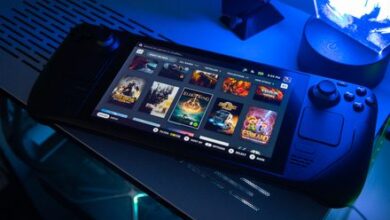
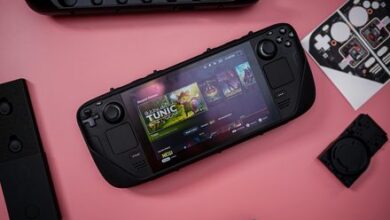
Though, this traditional model is gradually evolving. The industry is moving towards offering hardware more like a service than a product. Nowadays, you can rent gaming laptops through subscription services or lease consoles via payment plans. Cloud gaming platforms promise top-tier performance without needing an expensive setup at home. The appeal is clear: avoid hefty upfront costs and pay manageable monthly fees instead. But there’s a catch—once your subscription ends, you return the hardware, lose access to the service, and sometimes even lose your games altogether.What used to be owned by gamers is now becoming something thay merely access.
The Economics Behind Hardware Rentals
This shift isn’t happening by chance; it’s driven by rising costs in gaming hardware due to increased demand from AI companies and data centers for advanced chips that also power our beloved gaming machines. According to Deloitte's 2026 outlook report, spending on compute and storage for AI surged dramatically in 2025—up 166% year-over-year—to about $82 billion. As thes production facilities cater more towards enterprise needs than consumer demands, prices remain high while availability dwindles.
Hardware-as-a-Service models Emerge
Major tech companies are exploring what’s known as Hardware-as-a-Service (HaaS). Instead of selling devices outright, they offer rentals through monthly subscriptions that include support and upgrades.
An example comes from HP's OMEN Gaming Subscription program which allows users to rent laptops for around $50-$130 per month based on their chosen tier; this includes technical support along with upgrade options after about one year of use—but once you cancel your subscription? You must return the device! Similarly, Sony has introduced its Flex program in the UK where players can lease PlayStation 5 consoles over various installment periods while not retaining ownership at contract end.
The Rise of Cloud Gaming Services
This trend aligns closely with cloud gaming advancements too! Platforms like NVIDIA GeForce Now and Xbox Cloud Gaming aim to eliminate local hardware needs entirely by streaming games directly from powerful remote servers—a market expected to grow rapidly at over 40% annually until 2030! This indicates that companies are increasingly looking into models where physical devices may become less relevant—or even disappear altogether!
A Shift Towards Subscription-Based Models
From an economic standpoint alone it makes sense: rather than relying solely on sporadic sales every few years businesses can create steady revenue streams through subscriptions—a trend seen across many tech sectors where music movies software have transitioned away from physical ownership toward accessible services instead!
This transition hasn’t gone unnoticed among industry leaders either; Microsoft CEO Satya Nadella has highlighted Xbox Game Pass as central within their vision focusing on delivering experiences across multiple devices via subscriptions rather than just console sales alone! Meanwhile NVIDIA CEO Jensen Huang emphasizes how cloud computing will play an increasing role allowing high-end experiences remotely without requiring costly GPUs installed everywhere!
The long-Term Impact on Gamers
Yet for players themselves these changes bring complex implications ahead: renting equipment may lower entry barriers but could also lead higher overall expenses down-the-line—for instance someone paying $100/month over two years would spend $2400 total yet own nothing tangible afterward since all gear returns back upon contract completion!
Culturally speaking there are concerns particularly among PC enthusiasts who thrive off customization experimentation upgrading components tweaking systems etc.; rental setups frequently enough arrive sealed making modifications challenging if not impossible violating agreements potentially stifling creativity within communities built around tinkering culture defining PC-gaming history itself!
Pondering Preservation Challenges Ahead
Beyond financial cultural issues arise regarding preserving video game history too when titles exist physically installed locally they endure far longer compared those tied strictly online active servers ongoing licensing agreements creating risks surrounding medium survival according preservation advocates warning against potential losses faced here moving forward…