The Rise and Fall of the iPhone Air: What It Means for Smartphone Buyers
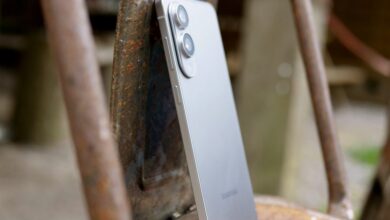
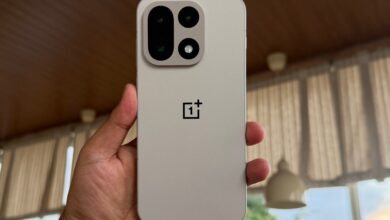
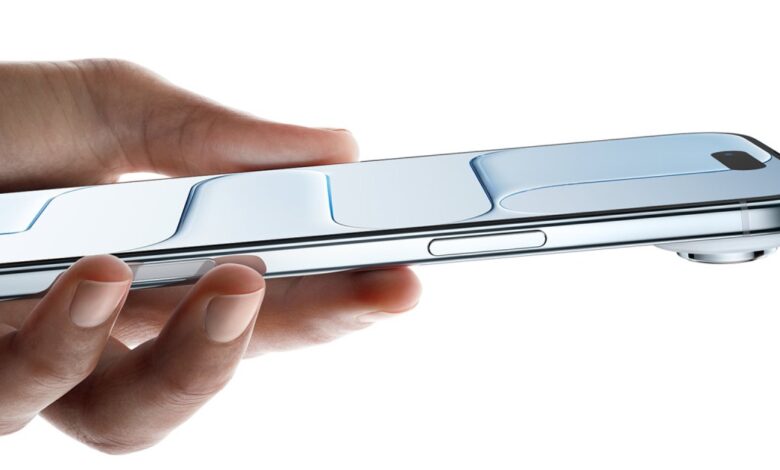
In 2025, Apple introduced the much-anticipated iPhone Air, boasting an ultra-slim design that generated significant buzz. Though, as time passed, it became clear that consumer interest was far less than expected. This disappointing response has led competing brands to reconsider their own plans for thin smartphones. Reports from Asia indicate that several major Chinese manufacturers have either paused or completely scrapped their “Air-style” models after witnessing Apple's lackluster sales figures. Additionally, Samsung has decided to cancel its ultra-slim S26 Edge variant, concluding that the market for such devices is dwindling.
Chinese Brands hit the Brakes on Thin Designs
Prominent Chinese companies like Xiaomi, Vivo, and Oppo are among those who have halted their projects aimed at creating ultra-thin phones considering poor sales for the iPhone Air. The fact that this model remains readily available for immediate shipping long after its launch serves as a clear indicator of weak demand.
This shift in strategy among competitors suggests a growing reluctance to pursue extreme thinness in phone design. Instead of prioritizing slim profiles at all costs, many brands are now focusing on creating well-rounded devices with better battery life and enhanced camera capabilities.
A Silver Lining for Smartphone Shoppers
This trend could be beneficial news for consumers looking to buy new smartphones. The push towards “thin and light” designs often comes with trade-offs: smaller batteries tend to mean shorter usage times; fewer camera features can lead to lower-quality photos; and fragile builds increase the risk of damage. The failure of the iPhone Air may prompt manufacturers to rethink these compromises.
If smartphone makers shift away from chasing razor-thin designs and instead concentrate on delivering overall value, we might see improvements in battery performance, camera quality, and more reasonable pricing by 2026. This change could also lead to a less cluttered market landscape where fewer brands release subpar “Air clones.” Instead of numerous similar options flooding shelves—many lacking thoughtful design—we could witness a rise in carefully crafted phones tailored toward user needs.
The Industry's Wake-Up Call
This situation highlights an important moment within the smartphone industry—a realization that benefits buyers significantly. The underwhelming reception of ultra-thin phones serves as a reminder: while they may look appealing during presentations or advertisements, real-world users prioritize functionality over form factor when it comes down to daily use.
With major players like samsung stepping back from thin-phone concepts and Chinese brands reassessing their strategies too, consumers can expect fewer devices focused solely on aesthetics without substance next year. Instead of being bombarded with flashy but impractical options—characterized by poor battery life or flimsy construction—shoppers will likely find more reliable choices emphasizing essential features like durability and camera performance.
The Future Landscape: What’s Next?
The next step involves observing how various companies adjust their lineups heading into 2026. As excitement around “Air-style” models fades away, we can anticipate practical flagship offerings alongside mid-range alternatives rather than experiments focused solely on achieving minimal thickness.
Even Apple might reconsider how aggressively it promotes its Air series moving forward based on recent trends observed within consumer preferences across different markets worldwide.
While some brands such as Motorola or Tecno may still attempt unique takes on slim designs here or there; don’t expect another wave unless someone finds innovative solutions regarding improved battery density.
For now though? Keep an eye out early next year! Leaks will reveal whether this newfound focus towards balanced smartphones becomes standard practice—or if manufacturers fall back into old habits chasing after fleeting trends once again!
And don't forget! NoveByte might earn a little pocket change when you click on our links helping us keep this delightful journalism rollercoaster free for all! These links don’t sway our editorial judgment so you can trust us! If you’re feeling generous support us here.