Apple's Upcoming iPhone Launch Strategy: A Shift in Tradition
Since 2011,Apple has consistently unveiled new iPhones in September,with the exception of 2020 when the pandemic disrupted plans.This predictable schedule made it easy for tech enthusiasts and journalists to plan their calendars around Apple's announcements. Before I transitioned to freelance writing,taking time off in September was nearly unachievable due to the excitement surrounding new iPhone releases. Irrespective of whether people loved or disliked Apple,they were always eager for news about its latest devices.
Though, 2026 may bring a change to this routine. Earlier this year,The Data reported that Apple is considering a different launch timeline for next year’s models. While there will still be a traditional September event where executives showcase advancements in iPhone technology, it appears that the standard iPhone 18 will not be part of this lineup. Instead, the focus will shift to higher-end models like the iPhone 18 Pro and Pro Max and also an anticipated foldable version and possibly an updated air model.
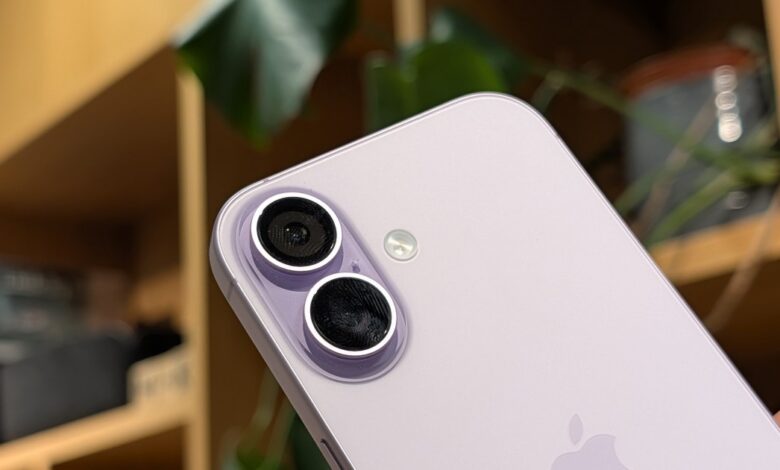
The regular iPhone 18 is expected to debut later than usual—in Spring 2027—alongside a new entry-level model dubbed the iPhone 18e. This decision suggests that Apple no longer views its basic models as prestigious enough to share space with their more expensive counterparts.
A Risky Move for Apple?
If these reports hold true—and that's a critically important “if,” given how quickly rumors can change—this strategy could pose substantial risks for Apple. Historically known for making sound business choices despite occasional missteps, this potential shift might not play out favorably.
Apple does not disclose sales figures by individual product but groups them into categories instead. Still, analysts have managed to estimate sales numbers fairly accurately over time.According to Consumer Intelligence Research Partners (CIRP), data from early 2024 revealed that among buyers of the latest models at that time:
- 42% chose the standard iPhone 16
- 26% opted for the Pro Max variant
- 19% selected the pro model
- A mere 13% went with the Plus version
This data indicates that many consumers gravitate toward premium options rather than entry-level devices when purchasing an upgrade.
The Challenge of Upselling Premium Models
This trend leads us back to Apple's current strategy: assuming those who typically buy lower-priced phones will either wait six months or splurge on pricier alternatives seems quite bold. The upcoming $799 price tag on what would be called an “iPhone 17” is significantly lower than other high-end options like $1,199 for its Pro counterpart—a difference of $400 or roughly half again as much money compared with what most buyers are willing to spend.
Selling customers on upgrading from base models used to be straightforward; however, recent years have seen improvements across all device tiers blurring those lines significantly. As an example:
- The regular model now features Dynamic Island functionality and boasts impressive camera capabilities including a robust main sensor and enhanced display refresh rates.
- The absence of certain features like telephoto lenses may deter some users but many find they can manage without them thanks largely due digital zoom capabilities available through pixel binning technology found within newer cameras.
The Waiting Game: Risks Ahead?
If consumers are expected simply wait six months before getting their desired phone model—a risky assumption indeed—it’s important also consider timing factors such as contract expirations coinciding with new launches which often lead individuals seeking competitive pricing elsewhere if no suitable option exists within Apple's offerings at launch time!
This scenario opens doors wide open towards excellent Android alternatives offering similar experiences at attractive prices! Switching between platforms has become easier too thanks largely due tools designed specifically assist users during transitions—even if some social stigma remains regarding messaging apps!
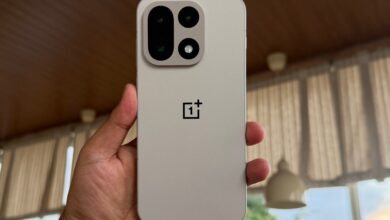
By late summer/fall season next year (September), we’ll likely see top-tier Android phones drop further down price points while fresh contenders emerge onto market scene including Samsung Galaxy S26 series along oneplus’ latest iterations plus Google Pixel lineups vying attention from wavering loyalists who might otherwise stick around longer had there been compelling reasons offered by Cupertino-based company itself!
A Potential Backfire?
If both versions—the standard & e-models—launch simultaneously then why wouldn’t shoppers opt instead save even more cash choosing cheaper alternative? what initially seemed like clever upsell prospect could easily turn into downsell situation where neither product gains traction leading ultimately towards disappointing sales figures overall!
A Cautionary Tale About Regular Models' Importance
< p >On paper splitting flagship offerings away from core products makes sense; less focus means greater emphasis placed upon premium features showcased prominently during events—but neglecting everyday workhorses could prove detrimental long-term! Should these changes occur expect swift return back towards traditional timelines come fall season following spring rollout just witnessed earlier!
< p >With ongoing reports suggesting delays surrounding Air series alongside possible cancellations stemming poor performance metrics observed previously—it appears major shake-ups lie ahead within entire lineup moving forward!
And don't forget! NoveByte might earn a little pocket change when you click on our links helping us keep this delightful journalism rollercoaster free for all! These links don’t sway our editorial judgment so you can trust us If you’re feeling generous support us here.