IntelS Aspiring Move into Handheld Gaming
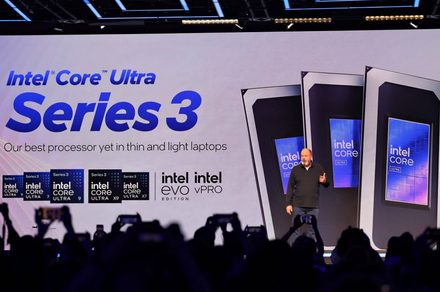
If everything goes according to plan for CES 2026, Intel is gearing up for a significant entry into the world of handheld gaming devices. This time, they are not merely cramming a laptop chip into a smaller format.As reported by IGN,Intel is developing its own Intel Core G3 chips specifically designed for handheld gaming,utilizing the new Panther Lake architecture.
The Promise of Consistent Performance
This development could lead to more reliable performance in handheld devices. The success of these gadgets hinges on their ability to maintain steady performance, battery longevity, and effective heat management. A chip crafted with these factors in mind could result in fewer performance drops as the device heats up and provide more competitive options across various brands.
Core G3: Tailored for Handheld Devices
A crucial aspect of this initiative is that Intel appears to be customizing Panther Lake into configurations that align better with the power and cooling requirements typical of handhelds. The usual boost patterns seen in laptops can quickly falter within compact designs; thus, it’s clear that one solution does not fit all.
In a portable device, balancing thermal output, fan noise, and playtime while aiming for high frame rates becomes essential. If Intel’s Core G3 variants prioritize consistent output over brief spikes in performance, it could mean the difference between enjoying gameplay for just 15 minutes or being fully engaged for hours on end.
A Leap Forward with Arc B390 Graphics
At CES 2026, intel also highlighted advancements in graphics technology with impressive claims about its panther Lake integrated GPU—Arc B390. According to their internal tests, this GPU can outperform Lunar Lake’s Arc 140V by as much as 77% during gaming sessions and even shows promising results against AMD's integrated graphics solutions and select benchmarks compared to an RTX 4050 laptop GPU.
While such claims should be viewed cautiously as initial benchmarks rather than definitive proof of capability, if Arc B390 performs well at lower power levels without compromising quality significantly, it might finally position an Intel-powered handheld among top competitors in the market.
The Road Ahead: What Should We Expect?
This isn’t Intel's first attempt at entering this space; previous models like Claw didn’t quite hit the mark. The next step will involve seeing actual products from multiple partners that offer reasonable pricing alongside solid long-term performance during extended use sessions.
It’s also vital to keep an eye on broader trends within the industry. For instance, our comparison between ROG Ally and Steam Deck serves as a valuable reference point regarding current consumer preferences—showing why efficiency frequently enough trumps peak specifications when making purchasing decisions. If Core G3 gains traction across various devices soon enough, we may witness rapid improvements in both efficiency and value throughout this entire category.
and don't forget! NoveByte might earn a little pocket change when you click on our links, helping us keep this delightful journalism rollercoaster free for all! These links don’t sway our editorial judgment so you can trust us.if you’re feeling generous support us here.