Google Takes Action Against Battery-Hungry Android Apps
In a significant move, Google is tightening its grip on Android applications that drain battery life excessively. The tech giant has introduced a new metric and updated policies for the Play Store to tackle this issue head-on.
A New metric for Monitoring Battery Usage
The latest addition to Google's toolkit is called “excessive partial wake locks.” This metric has recently moved out of beta testing and is now fully operational. According to the android Developers Blog, an app's user session is deemed excessive if it maintains non-exempt wake locks for over two hours within a 24-hour period.
if an submission exceeds what Google refers to as the “bad behavior threshold,” which means that 5% or more of its user sessions in the past 28 days are classified as excessive, it will face penalties starting march 1, 2026.
Understanding Wake Locks
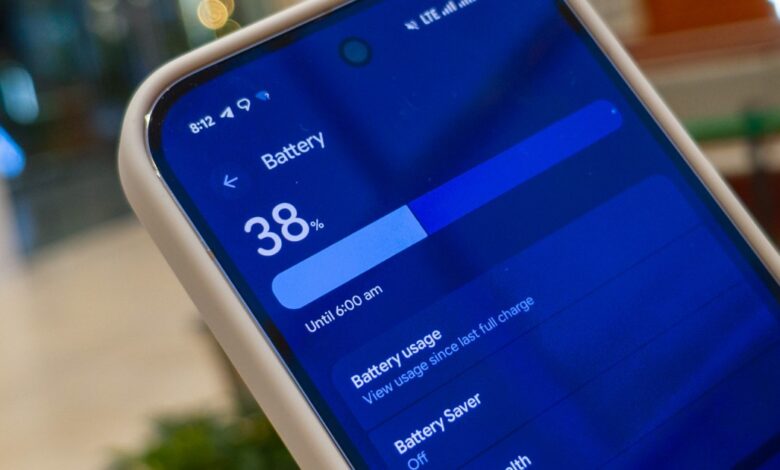
You might wonder why this matters. A wake lock allows apps on Android devices to keep your phone awake by controlling either the screen or CPU when you’re not actively using it. While some apps genuinely need this feature—like music players running in the background—a poorly designed app can misuse it, leading to unnecessary battery drain.
This update aims to address one of the most common complaints among Android users: battery life issues. By refining core metrics and updating Play Store policies, Google hopes developers will create more efficient applications while consumers can still adopt various strategies for saving battery life.
The Impact on App Visibility
One major consequence of falling into this penalty category includes reduced visibility in key areas like recommendations within the Google Play store. Additionally, affected apps may display a warning label stating: “This app may use more battery than expected due to high background activity.” This clarity could help users make informed choices about which apps they download and use.
A Collaborative Effort with samsung
This new metric was developed through collaboration between Google and Samsung. By merging data from Google's Android platform with real-world insights from Samsung regarding device performance and battery usage, they aim for a complete approach toward improving power efficiency across all devices.
Developers Take Note!
Android developers can already access this new metric via their console in android Vitals. They have until March 1, 2026, to make necesary adjustments before facing potential penalties from these updated guidelines.
The Bigger Picture: Improving User Experience
This initiative particularly benefits users who own older or lower-end smartphones that struggle with power management issues. With these changes set in motion by March 2026, developers are encouraged not only to optimize their applications but also adhere closely to best practices when designing them.
A Future Focused on Quality Apps
The introduction of such metrics hints at future enhancements within Android Vitals aimed at reducing low-quality applications available on the Play Store further down the line. As these measures take effect over time, we should see fewer poorly designed apps making their way into users' hands—leading ultimately towards improved overall device performance and longevity.
Your Role as a Consumer
If you're an avid user of mobile technology or simply someone who relies heavily on your smartphone throughout each day—this news should resonate well with you! Expect warnings about energy-draining apps popping up more frequently in your Play Store searches soon enough; it's all part of Google's plan for bettering our experience while using their platform!
And don't forget! NoveByte might earn a little pocket change when you click on our links, helping us keep this delightful journalism rollercoaster free for all! These links don’t sway our editorial judgment so you can trust us. If you’re feeling generous support us here!