ValveS Vision for ARM Gaming: A New Era for PC Games
What’s the scoop? In an exclusive and detailed interview, Valve has disclosed its ongoing support for notable open-source initiatives aimed at enabling Windows PC games to function seamlessly on ARM processors. For those unfamiliar, ARM is the technology that powers smartphones, tablets, and various low-energy devices. Valve sees this as a potential game-changer for Steam,extending its reach beyond conventional PCs and handheld consoles. the conversation with The Verge indicates that this isn't just a side project; it's part of a long-term plan that has been developing quietly over several years.
- Valve is significantly investing in FEX, an open-source compatibility layer designed to run Windows on ARM—similar to Proton.
- The aim is to allow x86 Windows games to operate natively on ARM devices without requiring developers to modify their existing work.
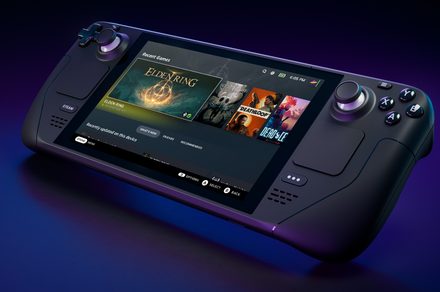
- This technology already supports parts of the Steam Deck ecosystem through Proton and Linux translation layers.
- Valve specifically mentioned mobile phones and low-power ARM gadgets as future targets for PC gaming expansion.
The Importance of This Progress
Why does it matter? This announcement signals that Valve's ambitions extend well beyond just enhancing the Steam Deck. If Windows games can reliably run on ARM architecture, it opens up possibilities where your favorite desktop titles could also be played on smartphones, tablets, lightweight laptops, or even innovative hybrid devices boasting superior battery life and thermal efficiency. It’s reminiscent of what Netflix is doing by bringing PC games onto mobile platforms,but without placing additional burdens on developers.
This shift could transform industry dynamics significantly. Currently, gaming on PCs heavily relies on x86 chips from Intel and AMD.Introducing a functional gaming layer for ARM would pave the way for alternatives like Qualcomm or MediaTek chips—and even custom silicon designed specifically for gaming purposes in the future.This means more affordable hardware options with fanless designs might become available along with entirely new types of portable gaming systems.Importantly, this approach isn’t about cloud-based solutions; Valve aims to enable local game execution directly from devices themselves—preserving key features like ownership rights over games, offline playability, modding capabilities while ensuring minimal input lag and high-quality graphics regardless of internet conditions.
Your Games Could Go Mobile!
Why should you care? Imagine if your entire Steam library could fit right into your pocket! If Valve successfully pushes forward with its plans regarding ARM architecture support, you wouldn’t need specialized laptops or dedicated handhelds—or rely solely on cloud streaming—to enjoy PC titles using mobile-grade hardware anymore. Your smartphone or tablet could evolve into a genuine local gaming device rather than merely acting as a streaming client.
This development also suggests improvements in battery life management along with reduced heat output during gameplay sessions—two common issues faced by gamers today when playing away from home base stations or power outlets. As ARM processors prioritize energy efficiency first-and-foremost if executed correctly by Valve’s team (or third-party manufacturers), we might see future Steam products capable of running full-fledged PC titles continuously without excessive noise levels typically associated with traditional cooling systems found in current models—a true upgrade in quality-of-life aspects especially beneficial during commutes or casual couch sessions!
A Look Ahead: What Comes Next?
No “Steam Phone” Just Yet! While excitement builds around these developments don’t expect any immediate announcements regarding something like a “Steam phone.” Valve has made it clear they are focused more so upon infrastructure improvements rather than launching short-term consumer products anytime soon! The next indicators will likely emerge gradually through updates related directly towards Proton enhancements alongside advancements within SteamOS itself—all before any tangible consumer device hits store shelves! Nevertheless what we’ve learned here paints an optimistic picture about where things may lead moving forward especially considering rising costs associated currently affecting RAM & SSD components making building new high-performance rigs less feasible than ever before!
And don't forget! NoveByte might earn a little pocket change when you click on our links helping us keep this delightful journalism rollercoaster free for all! These links don’t sway our editorial judgment so you can trust us! If you’re feeling generous support us here.